When I first dropped my phone into a coffee shop queue and opened a new puzzle app, I didn’t realise I was witnessing a seismic shift. In the past decade, the UK’s entertainment budget has moved from cinemas and live music to the glow of handheld screens. The trend is clear: by 2025, mobile gaming revenue is projected to hit £4.5 billion, eclipsing traditional TV advertising spend.
From Casual to Competitive: The Rise of Esports on the Go
What started as a handful of casual match‑making titles has evolved into a full‑blown competitive scene. The UK hosts over 30 regional tournaments each year, with prize pools exceeding £200,000 in total. Players now stream their matches on Twitch, drawing audiences that rival small concert crowds. The accessibility of mobile devices means that a teenager in Manchester can compete against a pro from Tokyo in real time, all while sipping tea.
Social Connectivity and Community Building
Mobile games have become social hubs. Games like Clash Royale and Among Us feature in‑app chat, guilds, and community events that keep players engaged for months. According to a 2023 survey by the UK Games Fund, 68% of respondents said they joined a new social group because of a mobile game. That social capital translates into real‑world friendships and even job opportunities in the tech sector.
Economic Impact Beyond the App Store
Every £1 spent on in‑app purchases generates an average of £3 in indirect economic activity. Local developers are hiring more designers, marketers, and data analysts. In 2022, the UK mobile game sector created 12,000 new jobs, a 15% increase over the previous year. Small indie studios in Bristol and Leeds are now funding their first international releases thanks to the global reach of app stores.
Cross‑Platform Storytelling and Immersive Experiences
Storylines that once lived only on consoles are now unfolding across phones. Narrative‑rich titles such as Genshin Impact and Life is Strange: Before the Storm offer cinematic cutscenes that rival TV dramas. Players can switch between their phone, tablet, and desktop without losing progress, creating a seamless entertainment ecosystem that blurs the lines between gaming and traditional media.
Bridging the Gap Between Mobile and Online Entertainment
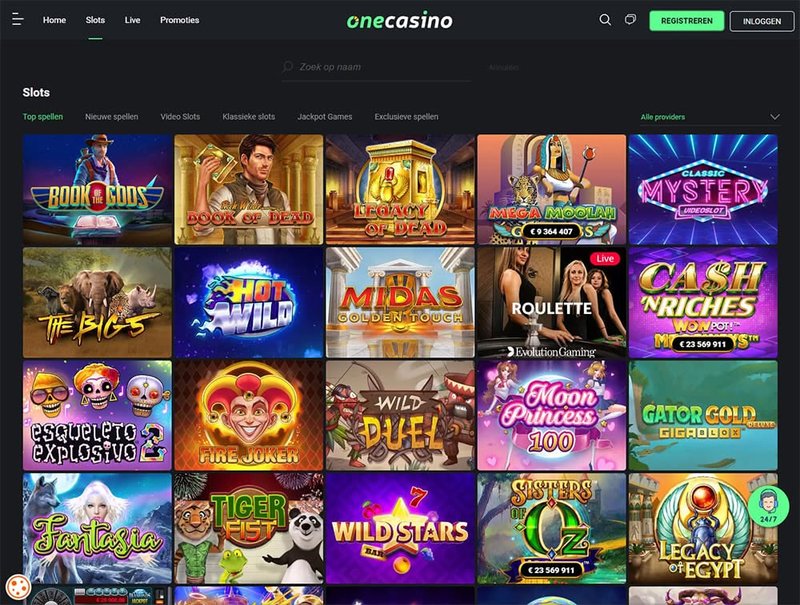
When I was scrolling through a mobile strategy game, I noticed a pop‑up about a new online gaming platform. It felt like a natural extension of the mobile experience, offering live tournaments and community forums. If you’re curious about how this blend works, you might want to check out spinboss casino for a look at how mobile interfaces can drive engagement in other digital entertainment spaces.
Challenges: Monetisation and Data Privacy
Not every aspect is rosy. The aggressive monetisation model of “freemium” games can push players toward micro‑transactions that exceed their budgets. In 2021, the UK’s Office of Communications warned that 12% of children under 16 had spent more than £100 on in‑app purchases. Additionally, data privacy concerns have risen as developers collect gameplay metrics to optimise ads, prompting stricter GDPR enforcement.
Future Outlook: Augmented Reality and 5G
With 5G rollout nearing completion, real‑time AR experiences are set to become mainstream. Imagine walking through London’s historic streets and seeing virtual characters pop up on your phone, reacting to your movements. Early trials in Manchester’s tech hub have shown a 40% increase in session length when AR features are enabled.
Conclusion: A New Entertainment Paradigm
Mobile gaming is no longer a niche pastime; it’s a cornerstone of the UK’s entertainment landscape. From driving economic growth to reshaping social interactions, its influence is tangible and growing. As developers push the envelope with AR and cross‑platform storytelling, the line between gaming and everyday life will blur even further. For anyone looking to understand the future of leisure, the smartphone screen is the best place to start.